


Retinol Alternative Moisturiser
Your moisturiser step, with a plant retinol alternative built in.
A silky, fast-absorbing cream with 2% Bidens Pilosa, sodium PCA and two forms of hyaluronic acid. It isn't a retinoid, so there's no adjustment period. Use it morning, evening, or both from the first day.
2% Bidens Pilosa extract as the retinol alternative. Aloe leaf juice, glycerin, sodium PCA and two forms of hyaluronic acid for hydration. Jojoba oil with murumuru and mango seed butters for a soft, silky finish. 99% natural origin, 23% organic origin.
Smooth a small amount over a cleansed face and neck, morning and/or evening. If you use a serum, apply it first. No build-up period. Wear SPF in the morning, as you would with any routine.
A light, silky cream that absorbs fast. Slightly sweet rose scent with red geranium over a green, fruity background. Contains Parfum; Geraniol, Citronellol, Linalool and Citral are declared on the label, all from natural essential oils. Not a fragrance-free product.
Ships from the EU in 2–4 working days, then usually 7–14 working days to arrive. Mainland addresses only. Free over €75 and on every subscription order. Times and prices by country are on our Shipping page.
The 60-Day Promise applies to your first order, conditions apply. Your 14-day right of withdrawal and 2-year legal guarantee come first.
A retinol cream asks a lot of your skin.
Retinol has decades of evidence behind it. For many people it also brings flaking, tightness and stinging in the first weeks, and most routines keep it to evenings with a slow start. Plenty of people stop before it has had time to work.
Bidens Pilosa isn't vitamin A, so there's no schedule to build up to and no reason to keep it to evenings. It is gentler to live with and it has a smaller evidence base than retinol. We think you should know both halves of that.
What people reported.
Every figure below comes from consumer-perception testing on our exact formula. Participants rated their own skin. These are what people saw and felt, not instrument readings.
These are self-assessed results for this formula. The panel size, study length and testing lab haven't been published alongside them, and we won't invent numbers we don't have. We've asked for the full report and will print it here when it arrives.
Bidens Pilosa
Black Jack · Asteraceae (daisy) family
A wild herb from the daisy family. Its extract contains phytol, which lab researchers have linked to the skin's retinoid receptors. That is the same signalling pathway retinol works on, reached by a different molecule.
It contains no vitamin A and shares none of retinol's chemical structure. So far the evidence for it comes from the lab, and we set that evidence out in full below.
What a 2015 study measured
Dieamant et al., 2015. A standardised Bidens Pilosa extract (best result per measure) against 10 μM retinol, in cultured human skin cells. Cells in a dish, not faces. The extract studied may not be identical to ours, and we can't confirm an equivalent strength.
How it differs from a retinol cream.
Describes ingredient type and usage guidance. It isn't a head-to-head trial against a named retinol product. The EU limit applies to face products placed on the market since November 2025.
What studies show about each ingredient.
These studies test an ingredient, at a set concentration, often in a different formula and sometimes only in a lab. They explain why each ingredient is in this moisturiser. They are not results for this moisturiser. The only results for our exact formula are the consumer testing above.
Bidens Pilosa extract
A standardised Bidens Pilosa extract on cultured human skin cells and skin fragments in a lab, compared with retinol and retinoic acid.
Collagen rose by up to 32.5% (retinol: 45.6%). Elastin rose by 25.2% (retinol: 16.7%). The extract and its phytol also acted on retinoid receptors.
It is a lab result. The extract hasn't been tested against retinol on faces, and the one studied may differ from ours.
Sodium PCA
A review of research on PCA, the largest single part of the skin's own natural moisturising factor, including the authors' long-running tests of creams with 2% or more PCA and its salts.
The creams with at least 2% PCA or PCA salt improved dry skin, in short and long-term use.
It is an older review, much of it the authors' own work, with no placebo-controlled trial. We don't know the percentage in our formula.
Hyaluronic acid
76 women aged 30–60 applied 0.1% hyaluronic acid creams in five molecular weights around one eye, twice a day for 60 days, with a plain cream around the other.
Every molecular weight improved hydration and elasticity against the plain cream. The two smallest also reduced measured wrinkle depth.
It tested the eye area and a different cream. Our concentration isn't published.
Aloe vera
20 women used creams with 0.10–0.50% freeze-dried aloe on the forearm daily for two weeks, against the same cream without aloe.
Every aloe concentration raised the water content of the skin's outer layer. Water loss through the skin was unchanged.
It was a small forearm study of freeze-dried aloe. It says nothing about lines or wrinkles.
Glycerin
A review of the research on glycerol applied to the skin.
Glycerol improves hydration of the skin's outer layer and barrier function, and helps protect against irritation.
It reviews other products' data. It isn't a test of our formula.
Jojoba oil
A review of the research on jojoba in dermatology.
In the studies reviewed, jojoba's liquid wax showed an anti-inflammatory effect. It is widely used in moisturisers.
It is a review, so count it as supporting evidence only.
Dipalmitoyl hydroxyproline
An oil-soluble form of hydroxyproline, an amino acid found in skin. The trials behind it were run and funded by its maker.
Its maker reports firmer-looking skin and a 32% reduction in wrinkles against placebo, without publishing the study details.
We found no independent, peer-reviewed human trial. Take it as promising, and unproven.
Alteromonas ferment extract
A marine sugar (exopolysaccharide) tested on skin cells exposed to UVB, and on volunteers' skin before exposure to fine dust particles.
It reduced UV-linked damage to skin-cell fats. At 0.02% it cut the number of particles sticking to skin by 45% against placebo.
The authors work for a company that makes the ingredient. We don't know if our grade is the one tested, or its strength.
Every ingredient, printed in full.
99% natural origin, 23% organic origin. Certified COSMOS Natural by Ecocert Greenlife. Vegan, gluten free and nut free. Ascorbyl palmitate (a form of vitamin C) and tocopherol (vitamin E) sit near the end of the list in small amounts, where they help keep the oils fresh. We don't sell this as a vitamin C product.
Aloe Barbadensis (Aloe) Leaf Juice➀, Simmondsia Chinensis (Jojoba) Seed Oil➀, Glycerin➁, Pentylene Glycol, Polyglyceryl-6 Stearate, Cetearyl Alcohol, Aqua/Water, Sodium PCA, Dipalmitoyl Hydroxyproline, Astrocaryum Murumuru Seed Butter, Hippophae Rhamnoides (Sea Buckthorn) Fruit Extract➀, Gossypium Herbaceum Seed Oil, Propanediol, Bidens Pilosa Extract, Dicaprylyl Carbonate, Polyglyceryl-6 Behenate, Parfum/Fragrance, Linum Usitatissimum Seed Oil, Mangifera Indica (Mango) Seed Butter➀, Caprylic/Capric Triglyceride, Coco-Caprylate, Xanthan Gum, Octyldodecanol, Palmitic Acid, Stearic Acid, Tocopherol, Ascorbyl Palmitate, Potassium Hydroxide, Rhodomyrtus Tomentosa (Rose Myrtle) Fruit Extract, Hydrolyzed Hyaluronic Acid, Sodium Hyaluronate, Sodium Phytate, Alteromonas Ferment Extract, Phenethyl Alcohol, Geraniol➂, Citronellol➂, Pelargonium Graveolens Flower Oil, Linalool➂, Citral➂
➀ from organic farming · ➁ made using organic ingredients · ➂ from natural essential oils
This moisturiser contains Parfum and geranium flower oil, giving it a slightly sweet rose scent with red geranium over a green, fruity background. Four allergens are declared on the label: Geraniol, Citronellol, Linalool and Citral, all from natural essential oils. It is not a fragrance-free product.
Bidens Pilosa belongs to the Asteraceae (daisy) family. If you react to ragweed, daisies or chamomile, patch test on your inner forearm once a day for five days before first use on your face.
Who it's for, and who should skip it.
Week by week.
Typical timelines for this kind of moisturiser. They aren't a promise, and every skin is different.
Morning, evening, or both.
Questions, answered honestly.
They come from consumer-perception testing on this exact formula. Participants assessed their own skin and reported what they noticed, and we publish the figures as we received them. What we don't have yet is the panel size, the study length or the testing lab, and we won't make those up. We've asked for the full report and it goes on this page when it arrives.
We can't claim that. Lab work on Bidens Pilosa extract found it raised collagen less than retinol did and elastin more, but that was in cultured cells, not on faces. The consumer testing on this moisturiser shows that most people felt more comfortable, better-hydrated skin, and most saw smoother-looking skin. That is a more modest claim, and it's the honest one.
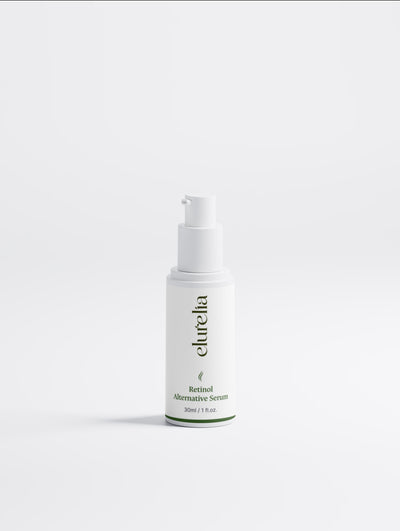
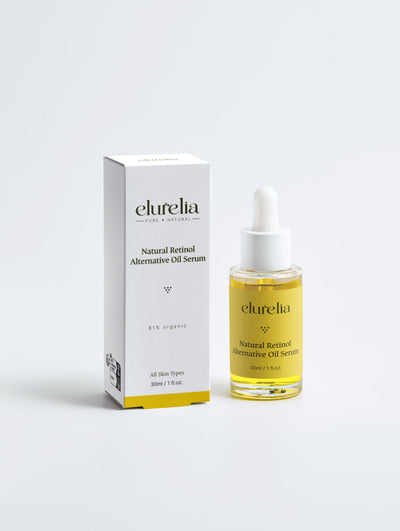
No. The moisturiser works as a complete step on its own. The Retinol Alternative Serum puts the same active in a lighter, water-based texture. If you use both, apply the serum first. We haven't tested whether using both changes the results, so we won't tell you it does. Our guide helps you choose.
Comfort and hydration come first: 95% reported both in testing. Texture follows over weeks. Lines scored lower (75–80%) and take longest, so give it twelve weeks before you judge it on lines.
Use it daily for 60 days. If your skin hasn't changed the way you hoped, email us between day 60 and day 90 with your order number and a photo of the bottle, and we refund what you paid for the product. Keep the bottle; there is nothing to send back. The 60-Day Promise covers your first order only, conditions apply: up to two bottles, one claim per person, and delivery charges aren't refunded. If your skin reacts at any point, stop using it and email us: we refund you in full straight away, delivery included. This sits on top of your 14-day right of withdrawal and two-year legal guarantee, which always come first.
Your moisturiser arrives on the interval you choose, at 10% off, with free delivery. You can skip a delivery, change the interval or cancel at any time from your account or by email. There's no minimum term and no phone call. One 50 ml bottle lasts about two months used morning and evening.
It's formulated for all skin types, and 95% of testers reported instantly comforted skin. Two honest caveats: it contains Parfum with four declared allergens (Geraniol, Citronellol, Linalool, Citral), and Bidens Pilosa is a daisy-family plant. If you react to fragrance, or to ragweed, daisies or chamomile, patch test on your inner forearm daily for five days first.
Either, or both. Unlike retinol there's no slow introduction and no reason to keep it to evenings or pause it in summer. Daily SPF still matters more than any moisturiser.
It contains no vitamin A, which is the usual reason retinol is avoided. We're not your doctor, though, and we won't tell you it's pregnancy-safe. Show the ingredient list to your midwife or GP and let them decide.
Apply it after water-based serums such as niacinamide, peptides or vitamin C, and before sunscreen in the morning. Leave a night between this and a strong acid peel.
A little. Ascorbyl palmitate, an oil-soluble form of vitamin C, is near the end of the ingredient list with vitamin E, where it helps keep the oils fresh. The amount isn't what a vitamin C product would use, so we don't sell it as one.
It's made in Latvia, in the EU, under EU cosmetic regulation, and certified COSMOS Natural by Ecocert Greenlife. It is 99% natural origin and 23% organic origin, vegan, gluten free and nut free. The complete INCI is printed on this page, with nothing hidden behind a proprietary complex.
Use it for 60 days. If nothing changes, we refund the product.
Skin needs time, so give it a proper test. Use it daily for 60 days. If your skin hasn't changed the way you hoped, email us between day 60 and day 90 with your order number and a photo of the bottle, and we refund what you paid for the product. Keep the bottle. There's nothing to send back.
First order only, up to two bottles, one claim per person. Delivery charges aren't refunded under the Promise. If your skin reacts at any point, stop and email us: we refund you in full straight away, delivery included, with no waiting.
Buy nowYour legal rights come first: a 14-day right of withdrawal and at least two years of legal guarantee, free of charge. This Promise is an extra on top and never replaces them. Full conditions on our 60-Day Promise page.
Read before you decide.
Cosmetic product. All claims describe the appearance of skin and are not medical claims. Made in the EU. Prices include VAT.
Safety information.
- Product
- Retinol Alternative Moisturiser, 50 ml. Cosmetic product for external use. Code S0045.
- Placed on the EU market by
- Band of Brothers LLC, 30 N Gould St, Ste 29407, Sheridan, WY 82801, USA · info@elurelia.com
- EU Responsible Person
- SIA NORD Beauty, Baložu iela 20A, Riga, Latvia
- Batch code
- Printed on the pack, with the period after opening.
- Made in
- Latvia, EU
- For external use only.
- Avoid contact with the eyes. If it gets into them, rinse well with water.
- Stop using it if irritation occurs.
- Contains Geraniol, Citronellol, Linalool and Citral.
- Contains Bidens Pilosa, a daisy-family (Asteraceae) plant. Patch test first if you react to these plants.
- Keep out of reach of children.