Ceramides or hyaluronic acid?
One draws water into your skin, the other helps keep it there. How to tell which your skin is short of, and when you need both.
Ceramides and hyaluronic acid are the two ingredients most often recommended for dry skin, and they are often talked about as if they did the same thing. They don't. Understanding the difference is the quickest way to work out what your skin actually needs.
01The difference in one table
| Hyaluronic acid | Ceramides | |
|---|---|---|
| What it is | A sugar-based molecule found in skin | Lipids found in the skin barrier |
| What it does | Draws and holds water | Help form the seal that slows water loss |
| Type | Humectant | Barrier lipid |
| Feels like | Light, often gel-like | Usually in richer creams |
| Best human evidence on skin | Placebo-controlled cream trials | Mixed; stronger for supplements |
02Dry or dehydrated?
Dehydrated skin is short of water. It can happen to any skin type, including oily skin. It feels tight, looks dull, and fine lines show more, especially after cleansing or in heated rooms.
Dry skin is short of oil and barrier lipids. It feels rough, may flake, and stays uncomfortable for longer. It is often a long-term skin type rather than a passing state.
A simple check: if your skin feels tight but also gets shiny by midday, it is probably dehydrated rather than dry. If it feels tight and rough all day and rarely looks shiny, it is probably dry. Many people, especially as they get older and in winter, are both.
03What hyaluronic acid does
Hyaluronic acid holds a large amount of water for its size. On the skin, it draws water into the outer layer, which makes skin look and feel smoother while it is hydrated. It comes in different molecule sizes: larger forms stay on the surface, while smaller, hydrolysed forms spread into the upper layers.
Hyaluronic acid
Evidence: human trial- Pavicic T. et al. Efficacy of cream-based novel formulations of hyaluronic acid of different molecular weights in anti-wrinkle treatment. J Drugs Dermatol 10(9):990–1000, 2011.
What hyaluronic acid can't do on its own is stop that water leaving again. In very dry air, a humectant with nothing over it can leave skin feeling tight once the water evaporates. That is why it works best with something richer on top.
04What ceramides do
Ceramides are one of three lipid families, with cholesterol and free fatty acids, that make up the mortar between the skin's outer cells. That mortar is what slows water escaping. When it is short of lipids, skin loses water faster and feels dry and reactive.
Applying ceramides is meant to top that mortar up. The evidence is more mixed than for hyaluronic acid. Ceramides are large, oily molecules that don't get into skin easily, and many ceramide creams also contain butters, oils and humectants, which makes it hard to credit the ceramides alone. The strongest human evidence for plant ceramides comes from people taking them as supplements.
Topical ceramides
Evidence: review- Kahraman E., Kaykın M., Şahin Bektay H., Güngör S. Recent advances on topical application of ceramides to restore barrier function of skin. Cosmetics 6(3):52, 2019. Read the source
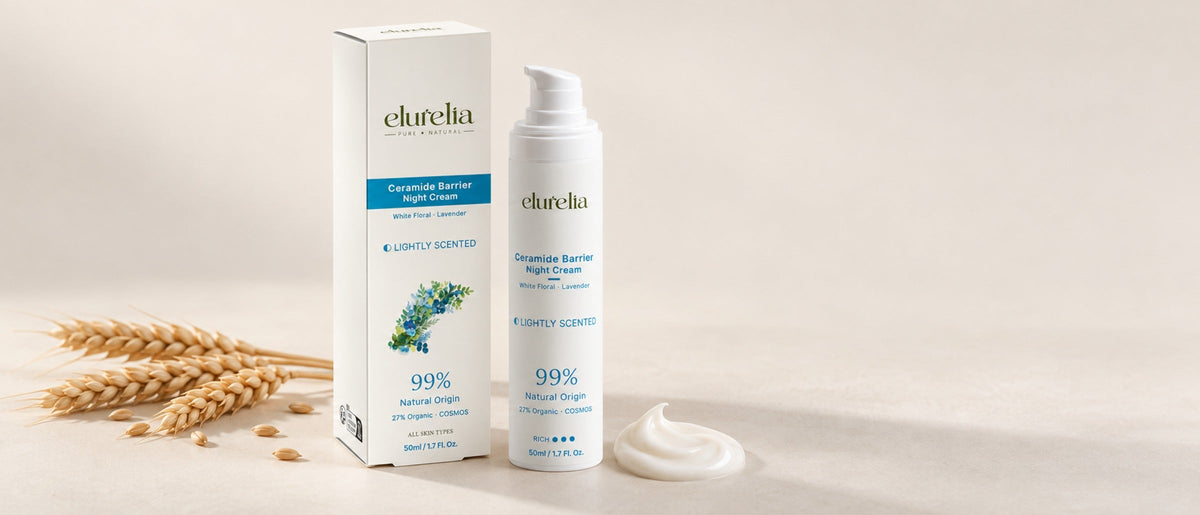
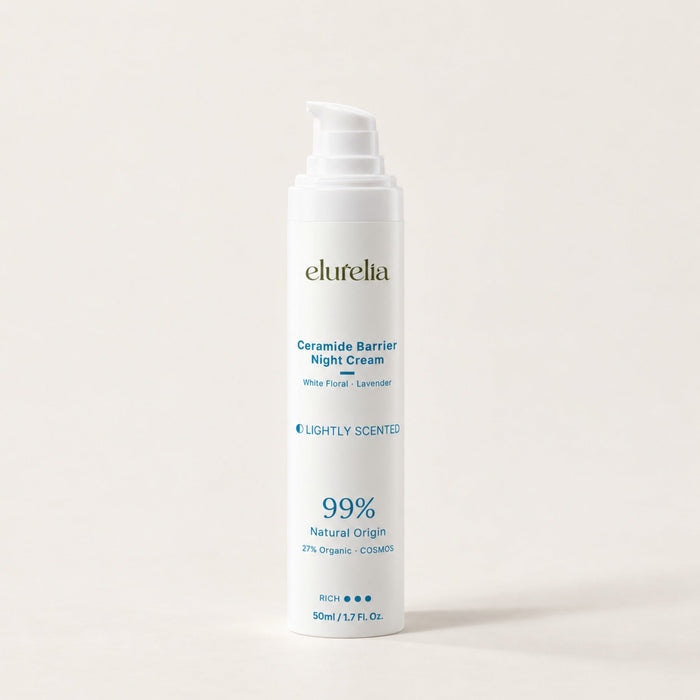
We go into this in much more detail, including where the plant ceramides in our own night cream sit on its list, in the research behind our Ceramide Barrier Night Cream.
05Which to choose
| If your skin… | Start with | From our range |
|---|---|---|
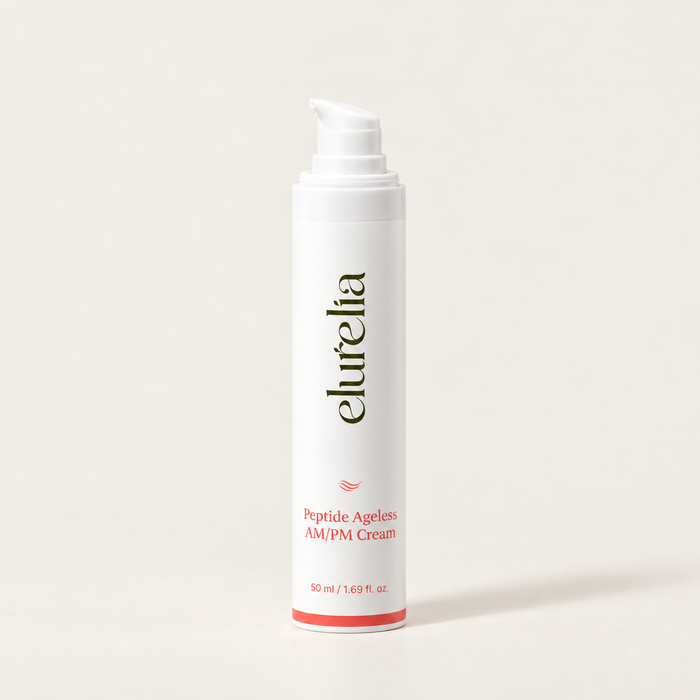
| Feels tight but gets shiny | Hyaluronic acid in a light formula | Peptide Ageless AM/PM Cream |
| Feels tight and rough all day | A rich cream with butters and barrier lipids | Ceramide Barrier Night Cream |
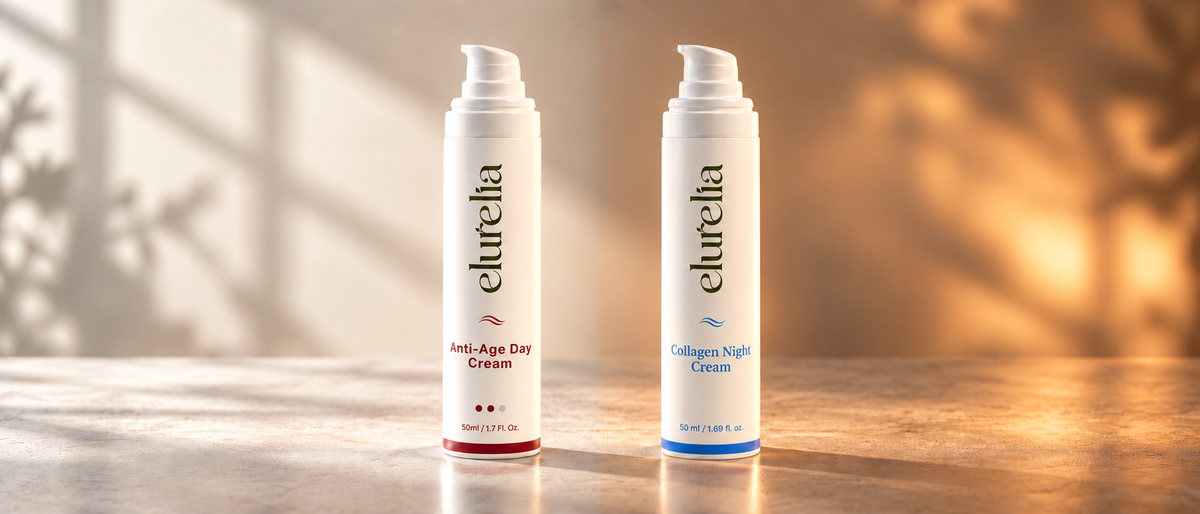
| Is both, and ageing | Hyaluronic acid by day, a rich cream at night | Anti-Age Day Cream + the night cream |
| Is cracked or very sore | A plain occlusive such as petroleum jelly, and a pharmacist | None of ours first |
The honest answer for most dry, tight skin is both, in the right order. A humectant draws water in; a richer layer on top helps hold it. That is also, roughly, how a well-made cream works on its own: most good moisturisers already contain a humectant such as glycerin and some oils or butters.
06Using them together
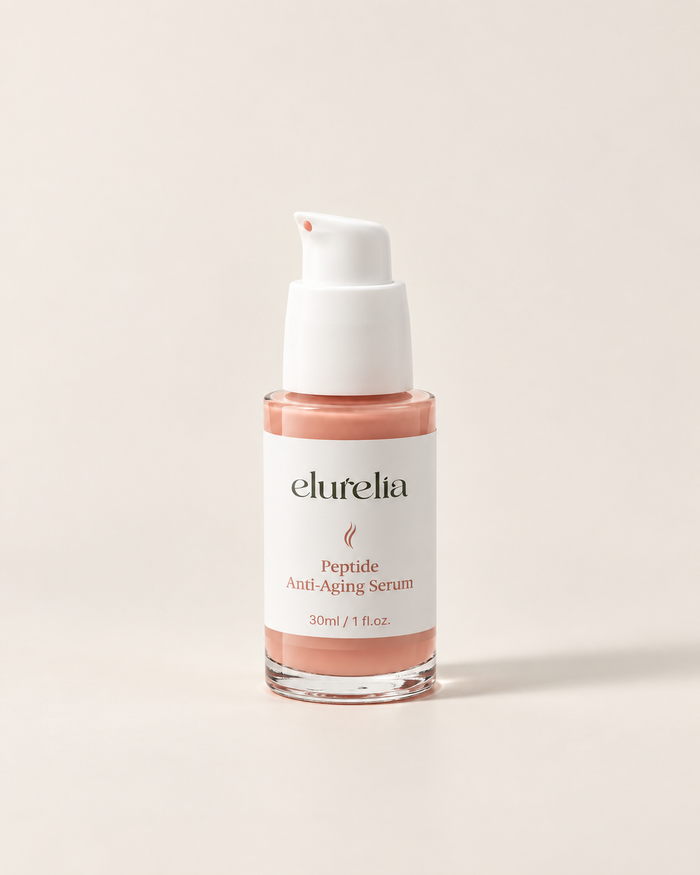
Apply thinnest to thickest. In the evening, that might mean a hyaluronic-acid serum such as our Peptide Anti-Ageing Serum on slightly damp skin, followed by the Ceramide Barrier Night Cream. In the morning, a lighter cream with hyaluronic acid, then sunscreen.
There is no known reason not to combine them. They do different jobs and are found together in many products. Our night cream itself contains a small amount of hyaluronic acid, though at 33rd of 35 ingredients it isn't the reason to buy it.
07The humectant nobody talks about
Glycerin gets less attention than hyaluronic acid, but it is one of the best-studied humectants in skincare. Reviews credit it with improving hydration of the outer layer and supporting barrier function. It is in almost every cream we make, including the night cream, where it is 9th on the list.
- Fluhr J.W., Darlenski R., Surber C. Glycerol and the skin: holistic approach to its origin and functions. Br J Dermatol 159(1):23–34, 2008. Read the source
08Two myths
"Hyaluronic acid dries your skin out." In very dry air, a humectant used alone can leave skin feeling tight once the water evaporates. With a moisturiser on top, this isn't a problem.
"Ceramides fix a damaged barrier." Barrier lipids help, and the ratio between them matters, but no cream rebuilds a barrier on its own. Gentle cleansing, fewer irritants and consistent moisturising matter at least as much.
09Quick answers
Is hyaluronic acid or ceramides better for dry skin?
For skin that is short of oil and feels rough, a rich cream with barrier lipids usually helps more. For skin that is short of water, hyaluronic acid helps. Many people benefit from both.
Can I use ceramides and hyaluronic acid together?
Yes. Apply the hyaluronic acid first, then the richer cream.
Which of your products contain hyaluronic acid?
Most of our face products contain it. The ones with two forms are listed on our hyaluronic acid page.
Which of your products contain ceramides?
Our Ceramide Barrier Night Cream contains plant ceramides. We tell you exactly where they sit on the list.
This article is for general information and isn't medical advice. Cosmetic products: all claims describe the appearance and feel of skin.