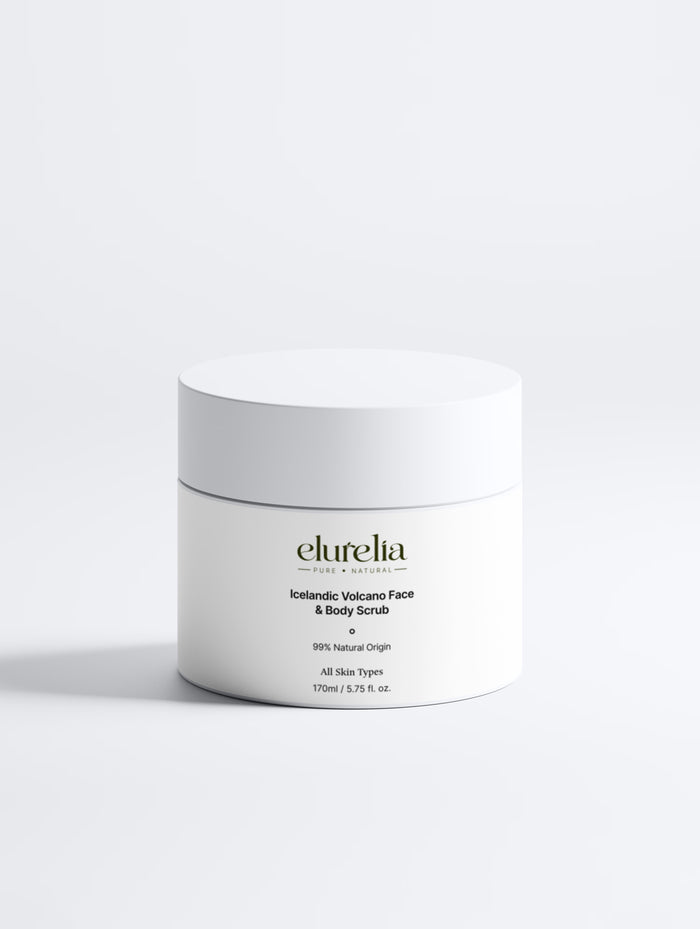
The research behind our Icelandic Volcano Scrub
How exfoliation works, why scrubs got a bad name, what each ingredient in ours does, and what the research does and doesn't show.
Every ingredient discussed here is in the scrub. Research on scrubs themselves is thin, and we say so.
Exfoliating is one of the most satisfying things you can do for your skin: rinse, and it's instantly smoother. It's also one of the easiest to overdo. The difference between skin that glows and skin that stings is mostly about what you use and how often.
This guide explains how exfoliation works, compares scrubs with acids, and goes through every ingredient in our Icelandic Volcano Face & Body Scrub, including where the research is solid and where it simply doesn't exist. If you only want the product, the scrub page has everything in one place.
01How your skin sheds
The outer layer of your skin, the stratum corneum, is made of flattened, dead cells held together like bricks in mortar. New cells form underneath and move upwards, and the oldest cells at the surface are shed, a few at a time, all day long. In young, well-hydrated skin, that shedding is invisible.
With age, dry air, sun exposure and some skin conditions, the shedding slows and becomes uneven. Dead cells cling together in patches, and skin can feel rough, look dull and reflect light unevenly. Elbows, knees, heels and the backs of arms are where this shows most.
02What exfoliation does, and doesn't do
Exfoliation helps loosen and lift those clinging surface cells. Skin feels smoother immediately, looks more even because light bounces off a smoother surface, and moisturisers applied afterwards spread more easily.
What it doesn't do is change skin in depth. A scrub works on the surface. It won't erase lines, fade pigmentation on its own, or 'detox' anything. Any product that promises those things from a scrub is overselling.
03Physical vs chemical exfoliation
| Physical (scrub) | Chemical (acids) | |
|---|---|---|
| How it works | Grains lift dead cells as you massage | Acids loosen the bonds between dead cells |
| Result | Smoother straight away | Builds over days or weeks |
| Control | You control pressure and time | Depends on acid strength and pH |
| Sun sensitivity | No added sensitivity from the grains | AHAs can increase it; SPF advised |
| Risk if overdone | Redness, soreness | Stinging, peeling, redness |
Neither is "better"; they suit different skin and preferences. We compare them in detail in scrub or acid exfoliant?
04Why scrubs got a bad name
For years, many popular scrubs used crushed nut shells or fruit stones: hard, irregular particles that can feel scratchy, especially when rubbed hard every day. Others used plastic microbeads, which are now banned in rinse-off cosmetics across the EU because of their environmental impact. Add daily use and heavy pressure, and it's not surprising that scrubs developed a reputation for leaving skin red and sore.
None of that is a reason to avoid physical exfoliation. It's a reason to choose a fine exfoliant in a cushioning base, use light pressure, and keep it to two or three times a week. That's the approach behind our formula.
05How we rate the evidence
| Label | What it means |
|---|---|
| Human study | People used it and their skin was measured with instruments. |
| Review | A summary of earlier studies. |
| Composition | What an ingredient contains. Tells you nothing about results on skin. |
| Long use | Widely used in cosmetics for decades, without a specific trial for this use. |
None of these studies tested our scrub. It doesn't have its own consumer testing yet, so we don't show results for it.
06Volcanic sand
Volcanic sand
Evidence: none foundVolcanic sand is made of fine mineral grains formed when lava cools and breaks down. It's dark, which is why the scrub has its speckled look, and in a scrub it provides the gentle grit you feel as you massage.
We looked for published trials of volcanic sand in a cosmetic scrub and found none. The benefit is simply mechanical: fine grains help lift loose surface cells, and skin feels smoother as soon as you rinse. That's real, and you can feel it for yourself, but we won't dress it up with borrowed claims about minerals soaking into your skin.
07Kaolin clay
Kaolin
Evidence: long useKaolin is a soft, fine white clay that has been used in cosmetics for well over a century, in masks, powders and cleansers. It absorbs excess oil and gives skin a soft, matte finish. In this scrub, it adds a little extra cleansing to the polish of the sand. We found no trial of kaolin in a scrub like ours; its role here is well understood rather than newly proven.
08Sunflower seed oil
Organic sunflower seed oil
Evidence: small human studySunflower seed oil is rich in linoleic acid, one of the fatty acids the skin barrier relies on. It's the organic oil in our formula's base, and the ingredient with the best human evidence in the whole scrub.
The study is a useful reminder that not every plant oil is kind to skin, which is one reason we chose sunflower over olive for this base.
- Danby S.G. et al. Effect of olive and sunflower seed oil on the adult skin barrier: implications for neonatal skin care. Pediatr Dermatol 30(1):42–50, 2013.
09Glycerin
Glycerin
Evidence: reviewGlycerin, made using organic ingredients, is one of the most effective humectants there is. A 2008 review in the British Journal of Dermatology (Fluhr, Darlenski and Surber) summarised decades of research showing it improves hydration of the skin's outer layer, supports barrier function and helps protect against irritation. In a rinse-off product less of it stays on the skin, but it helps the base feel soft rather than stripping.
We cover glycerin in more depth in the research behind our moisturiser.
- Fluhr J.W., Darlenski R., Surber C. Glycerol and the skin: holistic approach to its origin and functions. Br J Dermatol 159(1):23–34, 2008.
10The Nordic berry extracts
Organic blueberry, strawberry, cloudberry and raspberry extracts
Evidence: compositionFour organic fruit extracts, including cloudberry, a golden berry that grows in northern bogs and tundra. They're rich in polyphenols and vitamin C compounds, antioxidants that also help protect the formula.
We found no human trials of these extracts in a rinse-off scrub, so we make no claims for them on your skin. They're supporting ingredients, and part of the scrub's Nordic character.
11The lactic and citric acid, honestly
You may see this scrub sold elsewhere as an "AHA" scrub. Lactic acid and citric acid are both alpha hydroxy acids, and both are in the formula. But they're 20th and 21st of 27 ingredients, after the berry extracts and just before the preservatives. At that point on the list, they're there to adjust the formula's pH, not to exfoliate.
Exfoliating AHA products typically use several percent of acid at a low pH. We don't claim this scrub works that way, and we'd rather you knew. If you want chemical exfoliation, use a dedicated acid product on different days from the scrub.
12Preservatives and the creamy base
This is a water-based formula, so it needs preservatives to stay safe once you've opened the jar and dipped your fingers in. It uses sodium benzoate and potassium sorbate, both permitted under the COSMOS standard. Hydrogenated castor oil, cetearyl alcohol and plant-derived emulsifiers give the scrub its creamy, cushioning texture, so the grains glide rather than scratch.
| Group | Ingredients | Role |
|---|---|---|
| Exfoliants | Volcanic sand, kaolin | Polish and cleanse |
| Barrier and hydration | Sunflower seed oil, glycerin | Soften, support the barrier |
| Base | Hydrogenated castor oil, cetearyl alcohol, caprylic/capric triglyceride, emulsifiers | Creamy, cushioning texture |
| Antioxidants | Berry extracts, tocopherol | Protect the formula |
| pH | Lactic acid, citric acid | Adjust the pH |
| Preservatives | Sodium benzoate, potassium sorbate | Keep it safe to use |
| Scent | Parfum, bitter orange peel oil | Fresh cucumber and citrus |
All 27 ingredients are printed in order on the product page.
13Scent and allergens
The scrub smells of fresh cucumber with lemon, sweet citrus peel and freshly cut grass, from Parfum and bitter orange peel oil. Three fragrance allergens are declared on the label: Benzyl Salicylate, Limonene and Citral, all from natural essential oils. It isn't a fragrance-free product.
Some citrus oils can make skin more sensitive to sunlight if left on the skin. This is a rinse-off product, which reduces that concern, but if you use it on your face in the morning, wear SPF afterwards as you would anyway.
14Face vs body: how to adjust
Facial skin is thinner and more reactive than the skin on your legs, arms or elbows. Use less product on your face, lighter pressure and fewer seconds, and keep well away from the eye area. On the body, you can be a little firmer on rough areas such as elbows, knees and heels.
| Face | Body | |
|---|---|---|
| Amount | A small fingertip | A generous scoop per area |
| Pressure | Very light | Light to medium on rough areas |
| Time | About 20–30 seconds | About 30–60 seconds per area |
| Frequency | Once or twice a week | Two or three times a week |
15Elbows, knees, heels and the backs of arms
Some areas get rough faster than others. Elbows and knees are constantly flexed and leaned on, heels carry your weight all day, and the backs of the upper arms often develop small, rough bumps where dead cells collect around hair follicles. These are the places a body scrub makes the biggest, quickest difference.
On these areas, use a slightly more generous amount and massage for up to a minute, still with light to medium pressure. Rinse, then moisturise straight away with a rich body cream while skin is damp; that's what keeps the smoothness between scrubs. If the bumps on your arms are widespread, itchy or inflamed, it's worth asking a pharmacist, as a scrub alone won't settle them.
16Scrubbing and shaving
Many people use a scrub as part of shaving or hair-removal routines. A gentle scrub the day before, or before you shave in the same shower, can help skin feel smoother and let the razor glide more easily. Regular, gentle exfoliation is also commonly recommended to help reduce ingrown hairs, because it keeps dead cells from building up over the follicle.
Timing matters. Don't scrub freshly shaved, waxed or epilated skin: it's already been exfoliated and can sting or redden. Wait at least a day after hair removal before using the scrub on that area again.
17What to use after exfoliating
Freshly exfoliated skin is primed to take in moisture, and it's also a little more vulnerable for a few hours. Keep aftercare simple: a moisturiser on face and body, a few drops of face oil on dry facial skin, and SPF the next morning if you've scrubbed your face.
Skip strong actives such as retinoids, high-strength vitamin C or acid toners on the same day. If you're unsure how a face oil and moisturiser fit together, face oil or moisturiser? explains the order.
18How often to use it
Two or three times a week is enough for most body skin; once or twice a week for the face, and once a week if your skin is sensitive. Signs you're overdoing it include redness that lingers, a tight or shiny look, stinging when you apply other products, and new dry patches. If you notice any of these, take a week off. There's much more in how often should you exfoliate?
19How to use it
Use it on damp skin, in the shower or at the sink. Take a small amount, massage in gentle circles and let the grains do the work rather than pressing hard. Rinse well, pat dry and moisturise straight away, while skin is still slightly damp.
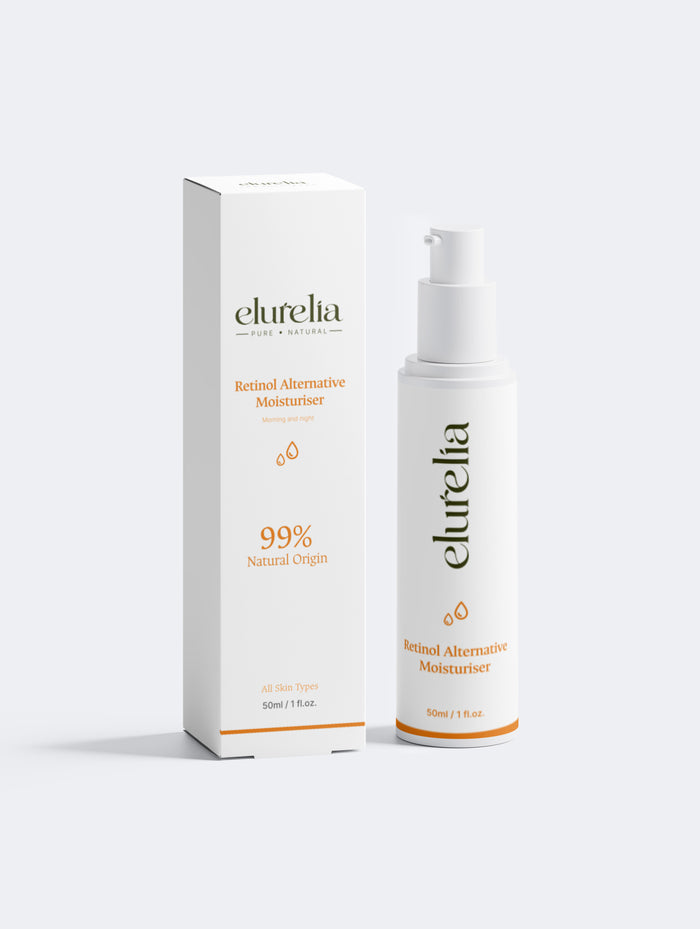
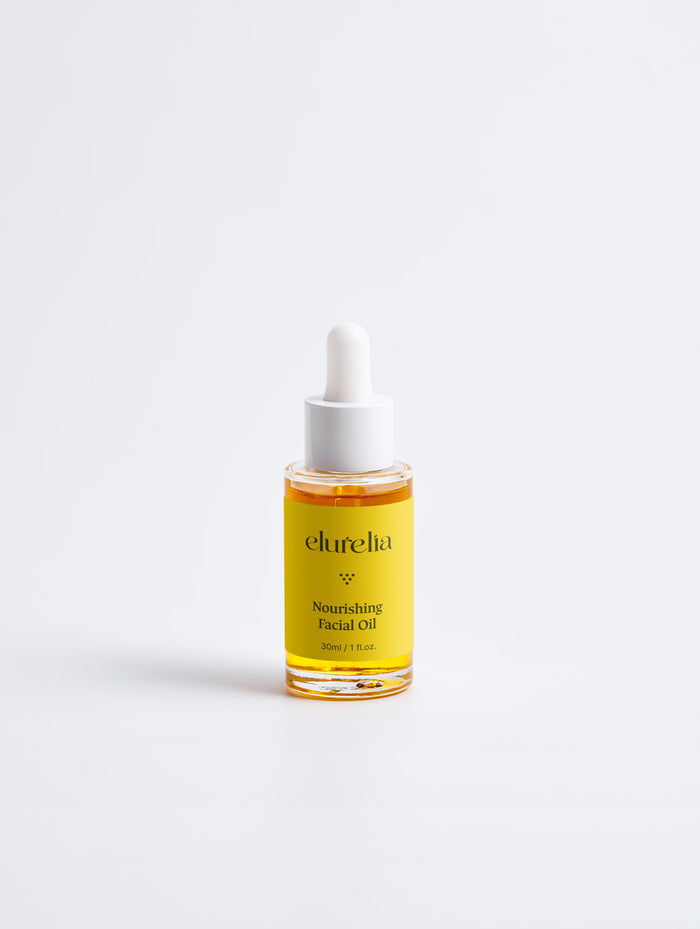
On the face, follow with a light moisturiser such as our Retinol Alternative Moisturiser, and on dry skin add a few drops of our Nourishing Facial Oil. Leave at least a day between the scrub and retinoids or strong acids on the same area. A 170 ml jar lasts around two months used on face and body two or three times a week.
The shower floor can become slippery with any oil-containing product; rinse it after use.
20Who should skip it
Don't use it on broken, sunburnt or freshly shaved skin, or during an eczema or rosacea flare. If you have active, inflamed acne, skip the scrub on those areas; physical exfoliation can aggravate it. If you need a fragrance-free product, choose one. And if you're using prescription retinoids, ask your doctor or pharmacist before adding any exfoliant.
21What it adds up to
This is a straightforward, well-made scrub. The exfoliation comes from fine volcanic sand and kaolin, and the result is one you'll feel as soon as you rinse. The best evidence in the formula is for its base, sunflower seed oil and glycerin, which helps it leave skin soft rather than stripped. We've been clear about what isn't proven, and about why it isn't an AHA product.
Used two or three times a week, with light hands and a moisturiser afterwards, it's a simple way to keep rough skin smooth from face to heels.
If you're building a full routine, pair it with a light moisturiser for the face, a rich body cream for elbows, knees and legs, and, for dry skin, a few drops of our Nourishing Facial Oil in the evening. Keep strong actives for other days. That combination keeps skin smooth between scrubs and makes each session gentler, because there's less build-up to remove.
22Your questions, answered
How often should I use a face and body scrub?
Two or three times a week on the body, once or twice on the face, and once a week for sensitive skin.
Is volcanic sand good for skin?
It's a fine mineral exfoliant that helps lift dead surface cells, so skin feels smoother. We found no published trials of it in scrubs.
Can I use a body scrub on my face?
This one is designed for both. Use less product, lighter pressure and avoid the eye area.
Is the Icelandic Volcano Scrub an AHA exfoliant?
No. It contains lactic and citric acid at pH-adjusting levels. The exfoliation comes from volcanic sand.
Should I moisturise after scrubbing?
Yes, straight away, while skin is still slightly damp.
Does it contain microplastics?
No. The grains are volcanic sand. Plastic microbeads in rinse-off exfoliants are banned across the EU.
Does the 60-Day Promise apply?
Yes, on your first order, conditions apply.
This article is for general information and isn't medical advice. Cosmetic product: all claims describe the appearance of skin.